
Guidelines For How To Get A Prescription For Medical Marijuana
If you are considering getting a prescription for medical marijuana, it is important to understand the guidelines that apply in your state. In most states, you must have a qualifying condition in order to be eligible for marijuana therapy. Some common conditions that qualify for medical marijuana treatment include: cancer, HIV/AIDS, multiple sclerosis, chronic pain, and seizures.
These are the important guidelines about how to get a prescription for medical marijuana
See a doctor who is knowledgeable about cannabis and its use as medication.
When considering whether medical marijuana is right for you, it’s important to consult with a doctor who is familiar with the drug and its potential benefits and drawbacks. Cannabis is not approved by the FDA, so it’s important to find a physician who is comfortable discussing its use as medication and who will be willing to work with you to find the right product and dosage and give you proper medical cannabis prescription Australia .
Be prepared to provide documentation of your condition.
In order to get a prescription for medical marijuana, a doctor in most states must first diagnose you with a qualifying condition. If you’re considering cannabis for chronic pain, for example, you’ll likely need to provide documentation of your pain levels. You may also be asked to provide other medical records related to your condition.
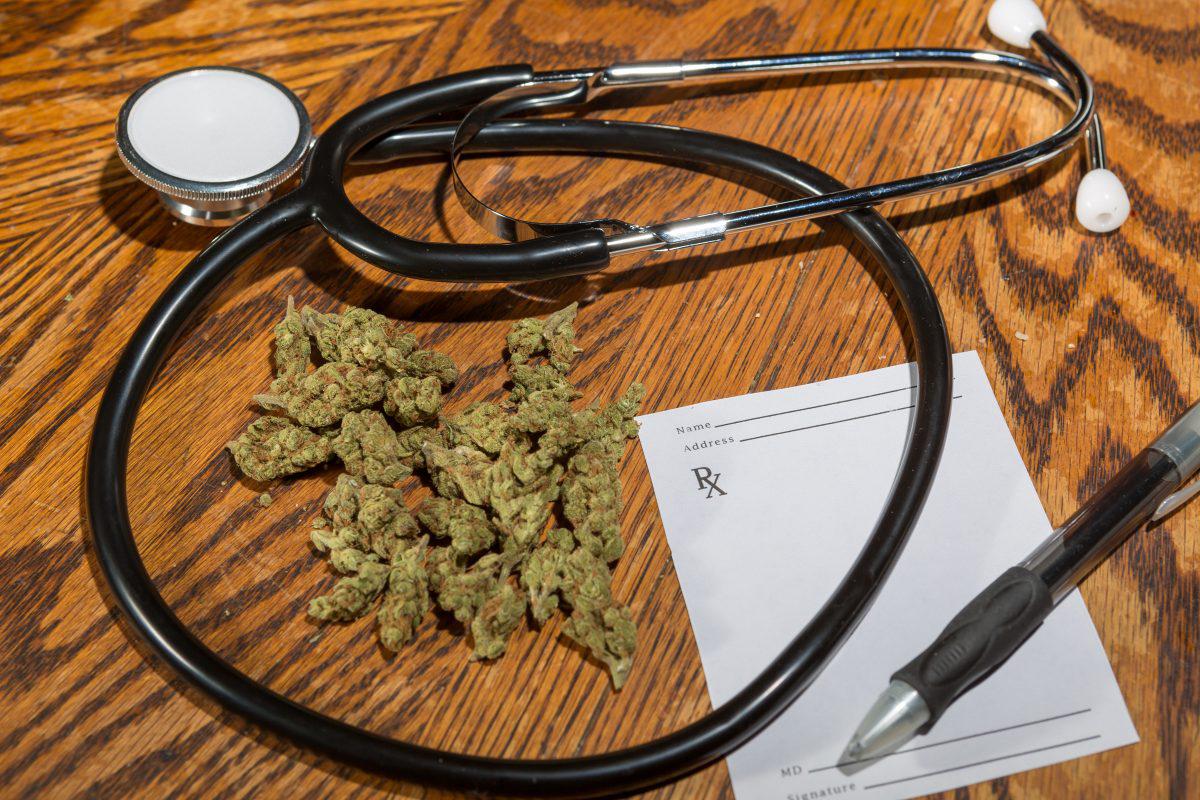
Start with a low dose and increase gradually as needed.
When you first start using medical marijuana , it’s important to start with a low dose and increase gradually as needed or get a prescription for medical marijuana. This will help you avoid potential side effects and allow you to find the right dosage for your needs. Work with your doctor to find the right product and dosage for you.
Keep track of any side effects
When using medical cannabis prescription Australia marijuana, it’s important to be aware of potential side effects. These can vary depending on the product you use, the dose, and your individual physiology. Some common side effects include dry mouth, dizziness, drowsiness, and changes in appetite. Report any adverse effects to your doctor.
Understand that medical marijuana is not a cure-all.
Medical marijuana should not be considered a cure-all for chronic conditions. It can help improve symptoms in some people, but it may not be effective for everyone. Be sure to talk to your doctor and get a prescription for medical marijuana and discuss the potential benefits and drawbacks of using medical marijuana before making a decision.