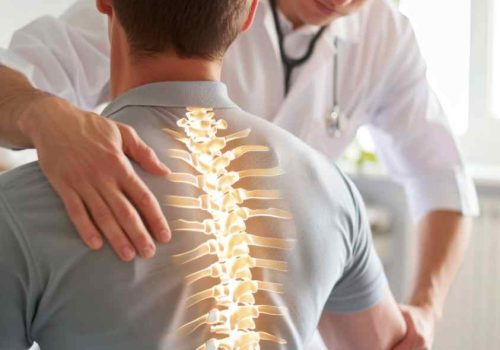
What a Sports Physician Does and Why Atlanta Athletes Need One
Pulled muscles, sore knees, and stubborn tendon pain are part of life for anyone who stays active. Whether you run trails at Stone Mountain, play pickup basketball after work, or chase your kids around the soccer field on weekends, your body takes hits that add up over time. Knowing when to push through and when to get checked out is hard to figure out on your own, which is why having a trusted sports physician like Dr. Wes Bailey in Metro Atlanta on your side makes a real difference in how long you stay in the game.
What Sports Medicine Really Covers
A lot of people think sports medicine is only for professional athletes or college kids on scholarship. That is not how it works. Sports medicine doctors treat anyone who moves their body and runs into problems doing it. That includes weekend warriors, teenagers in school sports, gym regulars, retirees who walk three miles a day, and office workers whose backs hurt from sitting too long.
The field focuses on injuries and conditions tied to physical activity. That means muscle strains, joint sprains, tendonitis, stress fractures, concussions, and the kind of nagging pain that does not show up on a standard exam. A sports physician understands how the body moves under load, which means they catch problems a general doctor might miss.
Non Surgical Treatment Is Usually the Right Call
The word surgery scares a lot of people, and for good reason. Operations come with real risks, weeks of recovery, scar tissue, and no guarantee of a full return to activity. The good news is that most sports injuries do not need surgery at all. A trained sports doctor can fix the majority of problems with conservative treatments that let you keep moving while you heal.
Common non operative approaches include targeted physical therapy, joint injections, bracing, activity modification, and proper rest cycles. Sometimes the fix is as simple as correcting the way you run or lift. Other times it involves rebuilding strength in supporting muscles that have gotten weak from underuse.
Surgery becomes a last resort, not the first option. That mindset saves patients money, time, and a lot of unnecessary pain.
Common Issues a Sports Physician Treats
Knee pain shows up at the top of almost every list. Runners get IT band trouble. Basketball players strain their patellar tendons. Older adults deal with arthritis flares. Each of these needs a different approach, and a good sports doctor can tell them apart with a careful exam.
Shoulder problems are next on the list. Rotator cuff injuries, swimmer’s shoulder, and impingement issues affect anyone whose sport involves overhead motion. Tennis, swimming, baseball, and even golf can all create the same patterns of pain.
Ankle sprains are easy to dismiss but often heal poorly when people skip proper rehab. A weak ankle leads to repeat sprains, which lead to chronic instability, which can wreck your knees and hips down the road.
Back and neck pain from sports injuries or weekend yardwork is another big one. Sometimes it stems from a spinal issue, sometimes from tight hips, sometimes from weak core muscles pulling everything out of balance.
Concussions deserve their own category. They are more common than people think, and they do not always involve losing consciousness. A proper concussion assessment after any hard hit is critical, especially for kids playing contact sports.
Sports Physicals That Actually Look at Your Body
Most school sports physicals are quick, surface level checks done in a hurry. They cover the basics but rarely catch the small biomechanical issues that lead to injuries down the road. A proper sports physical from an experienced doctor looks at how your joints move, how strong your supporting muscles are, and whether your body has any imbalances that put you at risk.
This kind of exam matters even more for adults who are starting a new fitness routine. Jumping into running, lifting, or martial arts without checking your baseline can mean a torn meniscus or rotator cuff a few months in. A short visit beforehand can save months of recovery.
When to See a Sports Doctor
Some signs are easy to read. Sharp pain during activity, swelling that does not go down, a joint that locks or gives out, or pain that wakes you up at night all mean you need to get checked out fast. So does any head injury where you feel dizzy, foggy, or off for more than a few minutes.
Other signs are easier to ignore but just as important. Pain that has lasted more than a week or two. Soreness that keeps you from sleeping on one side. A muscle that feels weaker than it should. A joint that clicks or grinds in a new way.
Trying to push through these issues almost always makes them worse. The body has a way of compensating, which means the problem spreads. A bad ankle changes your gait, which strains your knee, which messes up your hip. Catching the original issue early stops that chain reaction.
Staying Active for the Long Haul
The goal of sports medicine is not just fixing injuries. It is keeping you moving for decades. That means smart training, proper recovery, good nutrition, and regular checkups with someone who understands how active bodies work. Whether you are 15 or 65, having a doctor in your corner who gets your goals helps you stay in motion long after the people around you start slowing down.