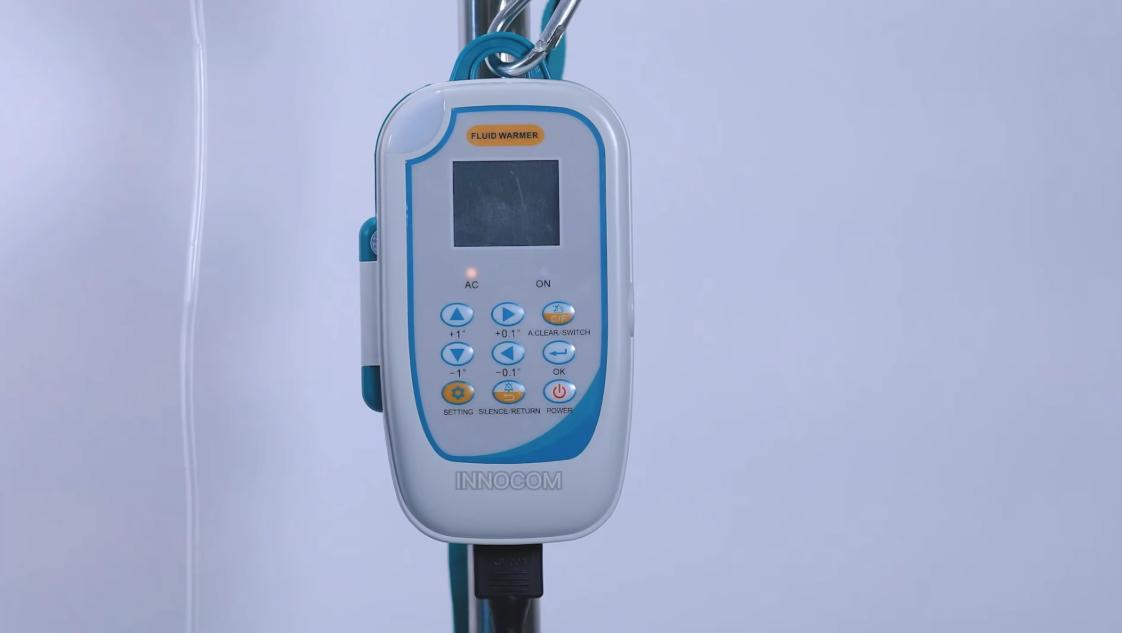
Turning Up the Heat on Recovery: The Power of Temperature in Fluid Transfusions
When it comes to healthcare, every detail matters—especially those that are often overlooked, like the temperature of fluids administered to patients during transfusions. Fluid warmer devices are not just a matter of comfort; they are a critical component in enhancing patient outcomes. This blog post sheds light on the importance of precise temperature regulation in fluid and blood transfusions and how it can significantly impact recovery and prevent complications.
Experts agree that maintaining normothermia is key in various medical procedures. Here, you’ll uncover the science behind temperature management and the game-changing benefits of using a fluid warmer. Delve into the impact of temperature on blood rheology, patient morbidity, and even mortality. With insights backed by careful research and tangible statistics, this discussion goes beyond the warm blanket to show that pre-warming is a healthcare imperative.
Optimizing Temperature for Safety and Comfort
The Critical Role of Fluid Warmers
In the world of medical care, the fluid warmer stands out as a guardian against the adverse effects of cold blood and fluid transfusions. Administering fluids at the wrong temperature can lead to hypothermia, which not only compromises patient comfort but also extends hospital stays and increases the risk of infection. A fluid warmer ensures that all fluids are brought to body temperature before entering the patient’s system, safeguarding against these issues.
The Science of Body Temperatures in Recovery
Maintaining the body’s core temperature is not just a feel-good measure but a key to faster recovery. A study published in the ‘Journal of Clinical Anesthesia’ found that even mild hypothermia could increase the patient’s risk of wound infection post-surgery by up to 6 times. By implementing a fluid warmer, healthcare providers can contribute to better patient outcomes.
Blood Transfusions: The Heat is On
When it comes to transfusions, the blood warmer plays an equally vital role. Research indicates that cold blood can cause cardiac dysrhythmias and may impair coagulation, leading to increased blood loss during surgery. A blood warmer brings the blood to a suitable temperature before transfusion, minimizing these risks and enhancing overall patient care.
Advancements in Warmer Technology
Technological advancements have made fluid warmers and blood warmers more efficient and safer. Smart monitoring systems now allow for precise temperature control, which is crucial in sensitive scenarios such as pediatric care or burn treatments. With these improvements, patients can be assured of receiving the best care possible.
The Takeaway
Proper temperature management in fluid and blood transfusions is more than a simple comfort; it’s a life-saving intervention. Facilities equipped with advanced fluid warmers and blood warmers stand better prepared to improve patient outcomes and reduce the likelihood of transfusion-related complications. By investing in these technologies, the medical community can ensure that they are not only treating patients but also providing them with the highest standard of care.
It is clear that keeping warmth at the forefront of patient care during transfusions is a beacon of hope for enhanced recovery and overall patient wellbeing.