Advancements in Interventional Radiology Ablation Techniques
For soft tissue tumors, interventional radiology ablation has emerged as a revolutionary approach in the treatment of various medical conditions.
Through minimally invasive procedures, interventional radiologists target specific tissues to destroy or modify them. These offer patients effective alternatives to traditional surgery.
Understanding the Process of Interventional Radiology Ablation:
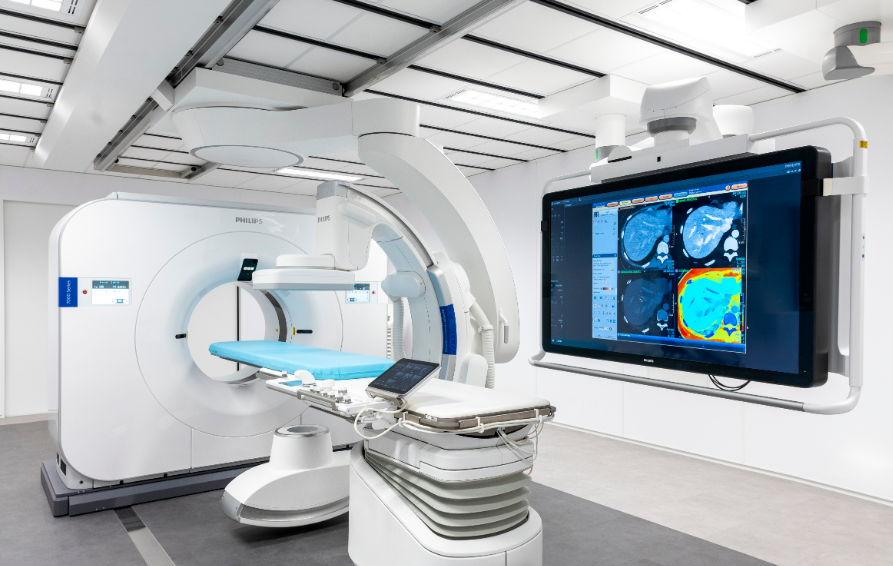
IR or interventional radiology involves the use of following imaging guidance technologies to precisely target tissues –
- computed tomography (CT), and
- magnetic resonance imaging (MRI).
The procedure typically utilizes techniques like radiofrequency ablation (RFA), microwave ablation (MWA), or cryoablation to achieve therapeutic outcomes.
Applications of Interventional Radiology Ablation:
Following are the topmost applications of interventional radiology process that help to improve people’s lives
-
Image-Guided Precision:
Continuous advancements in imaging technology enhance the precision and accuracy of IR ablation procedures.
High-resolution imaging modalities enable interventional radiologists to visualize target tissues in real time, ensuring optimal treatment outcomes.
-
Minimally-Invasive Techniques:
Novel ablation techniques, such as irreversible electroporation (IRE) and high-intensity focused ultrasound (HIFU), minimize damage to surrounding healthy tissues.
These minimally invasive approaches reduce patient discomfort, shorten recovery times, and improve overall treatment efficacy.
-
Multidisciplinary Collaboration:
The integration of interventional radiology into multidisciplinary care teams facilitates comprehensive treatment planning and personalized patient care.
Collaboration between interventional radiologists, oncologists, surgeons, and other specialists ensures optimal patient outcomes through a tailored approach to treatment.
-
Cardiac Arrhythmias:
Interventional radiology ablation techniques are increasingly used to treat cardiac arrhythmias, including atrial fibrillation and ventricular tachycardia.
Catheter-based ablation procedures target abnormal electrical pathways within the heart, restoring normal rhythm. This also reduces the risk of life-threatening arrhythmias.
-
Renal Denervation:
Renal denervation using IR ablation has emerged as a promising treatment for hypertension resistant to medication.
By ablating the renal sympathetic nerves located in the renal artery wall, interventional radiologists can reduce sympathetic activity.
This lowers blood pressure and improves cardiovascular outcomes for patients with treatment-resistant hypertension.
The above applications of interventional radiology satisfy people and improve the quality of their lives. This is why it is very crucial to include this treatment effectively and rescue you from all the physical pain of different illnesses for sure.
Conclusion:
The process of interventional radiology ablation continues to revolutionize the field of medicine by offering alternatives that are less painful and more satisfying. With ongoing advancements in technology and multidisciplinary collaboration, IR ablation techniques provide patients with effective treatment options.
These options can be chosen for a wide range of medical conditions, improving outcomes, and quality of life.