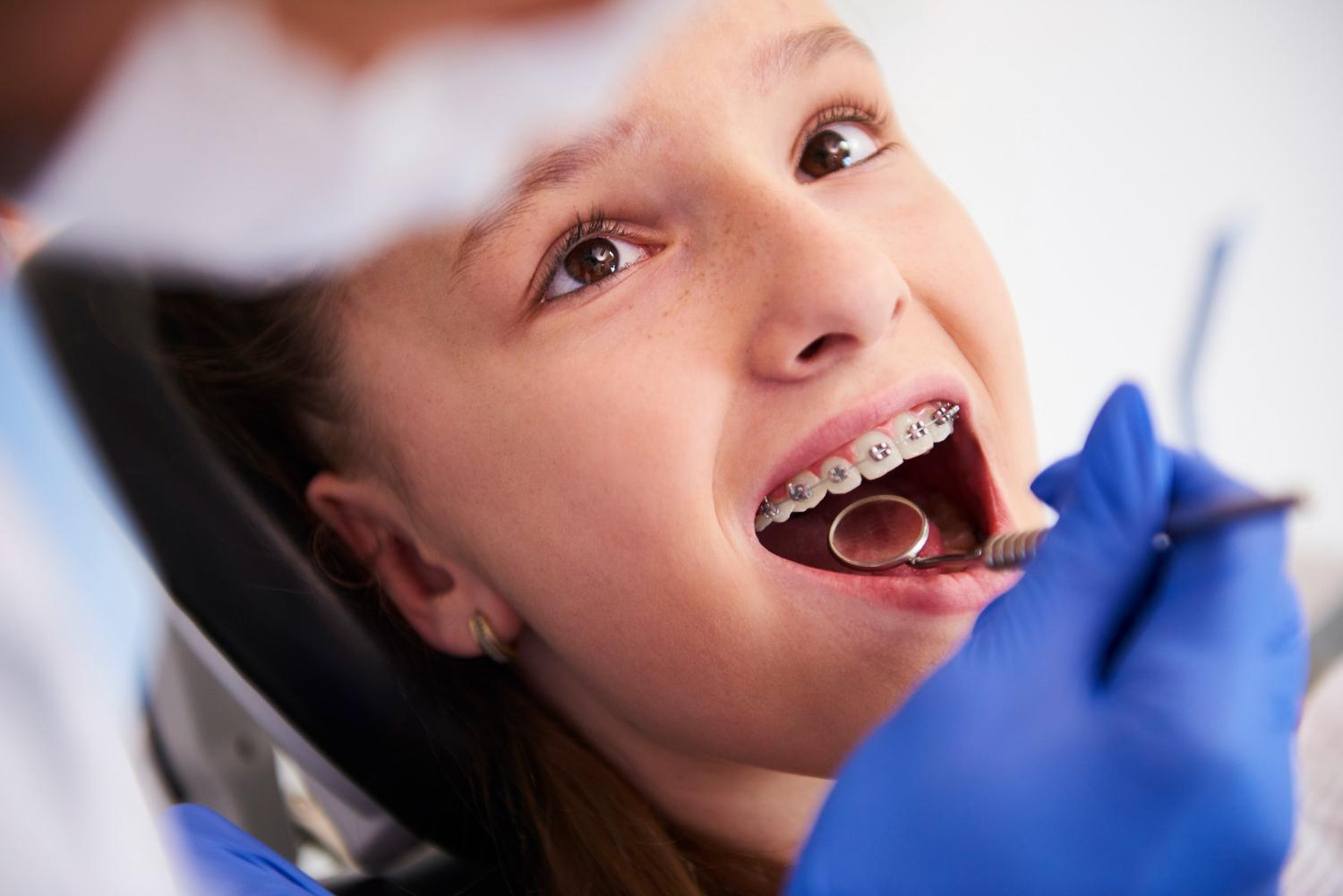
Symptoms to Note That You Need Orthodontics Services
Orthodontic issues often develop gradually and may be easy to dismiss in the early stages. However, identifying the signs early can prevent long-term dental complications and improve overall oral health. Whether you’re experiencing discomfort or simply notice your smile isn’t quite aligned, it may be time to consider orthodontic services.
Crowded or Crooked Teeth
One of the most obvious signs is visible misalignment. If your teeth overlap, twist, or are too close together, it’s more than just a cosmetic issue. Crowded teeth are harder to clean, increasing the risk of decay, gum disease, and plaque buildup. Orthodontic treatment can realign teeth, improving both function and appearance.
Gaps Between Teeth
Noticeable spacing between teeth, especially if inconsistent, can affect speech and bite. These gaps may result from genetics, thumb sucking during childhood, or missing teeth. Left untreated, they can also lead to gum exposure and increased sensitivity. Braces or clear aligners can close these gaps effectively.
Difficulty Biting or Chewing
Pain or discomfort when eating could indicate that your upper and lower teeth are not meeting properly. Misalignment can put strain on your jaw and lead to uneven wear on your teeth. This is more than an inconvenience—it can affect digestion and long-term jaw health.
Frequent Jaw Pain or Clicking
If your jaw often clicks, pops, or feels sore, especially in the morning or after chewing, it might be a symptom of temporomandibular joint (TMJ) dysfunction. Malocclusion, or a misaligned bite, is a common contributor. Orthodontic evaluation can determine if tooth positioning is causing the issue.
Speech Impediments
Misaligned teeth can subtly affect your ability to speak clearly. A lisp, whistling sounds, or difficulty pronouncing certain letters may result from tooth placement or tongue posture issues. While speech therapy can help, correcting the underlying alignment is often necessary for lasting improvement.
Prolonged Thumb Sucking or Mouth Breathing in Children
In children, persistent thumb sucking or habitual mouth breathing may signal developmental issues that could affect jaw growth and tooth alignment. Early intervention through orthodontics services can correct these habits before they lead to more complex problems.
Early or Late Loss of Baby Teeth
The timing of baby teeth loss can impact how adult teeth come in. If a child loses teeth too early or retains them for too long, it may create alignment issues that are best addressed with early orthodontic planning.
Recognising these warning signs and seeking orthodontics services early can prevent more complex treatments later. A consultation with an orthodontist can offer clarity and set you on the path to improved function, comfort, and confidence.