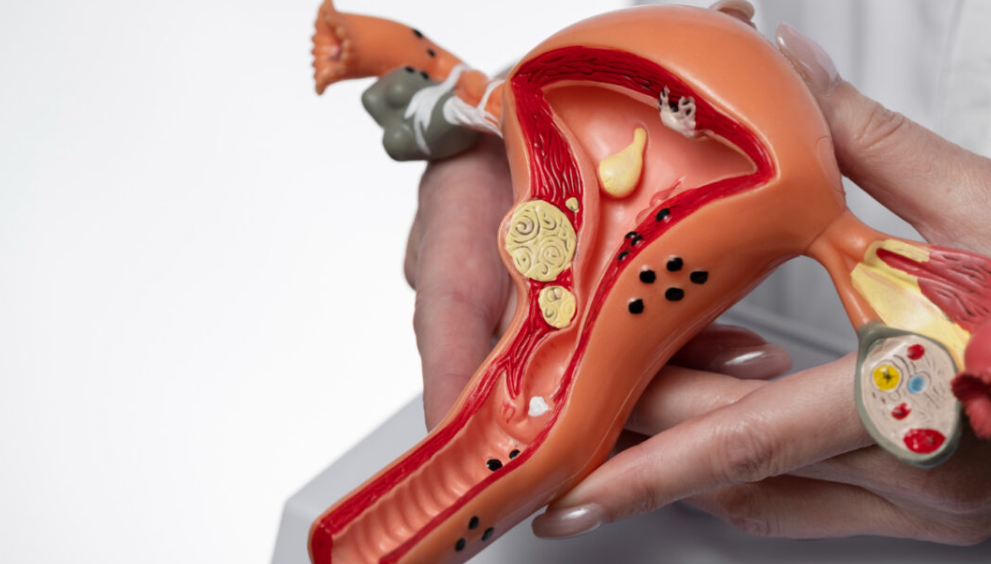
What is Uterine Artery Ablation?
Uterine artery ablation is a specialised medical procedure designed to address certain gynaecological conditions, primarily those related to abnormal uterine bleeding. This minimally invasive technique targets the blood vessels supplying the uterus, aiming to reduce symptoms and improve the quality of life for women suffering from related disorders.
Understanding Uterine Artery Ablation
At its core, uterine artery ablation involves the selective destruction of the blood vessels that supply the uterus. This procedure is often used to treat conditions such as fibroids or adenomyosis, where the abnormal growth of tissue can lead to heavy or irregular menstrual bleeding. By disrupting the blood flow to these problematic areas, the procedure helps alleviate symptoms and can significantly reduce bleeding.
The Procedure Explained
During uterine artery ablation, a catheter is inserted into the uterine artery, typically through a small incision in the groin or wrist. Once in place, the catheter delivers a specialised agent designed to target and destroy the blood vessels supplying the abnormal tissue. This procedure is similar to uterine fibroid removal, which also aims to block the blood supply to the affected area but involves injecting particles to occlude the vessels directly.
Benefits of Uterine Artery Ablation
One of the primary advantages of uterine artery ablation is its minimally invasive nature. Unlike traditional surgical methods, it typically requires only a short recovery time and carries fewer risks of complications. Women undergoing this procedure often experience a significant reduction in menstrual bleeding and related symptoms, such as pain and discomfort, improving their overall well-being.
Who might Need this?
Uterine artery ablation is generally recommended for women who have not found relief from other treatments or are looking for a less invasive alternative to surgery. Candidates often include those suffering from symptomatic fibroids or adenomyosis who are seeking to avoid more invasive surgical options. A thorough evaluation by a healthcare provider is essential to determine if this procedure is appropriate based on individual medical history and condition.
Post-Procedure Expectations
Following uterine artery ablation, patients may experience some discomfort or minor bleeding, which typically resolves within a few days. Most women return to their normal activities relatively quickly, though it’s important to follow any post-procedure care instructions provided by your healthcare provider to ensure optimal recovery.
In conclusion, uterine artery ablation offers a promising option for women dealing with significant uterine bleeding or discomfort due to fibroids or adenomyosis. By targeting and destroying the blood vessels that supply abnormal tissues, this procedure can provide substantial relief and improve quality of life. As always, consulting with a healthcare professional is crucial to determine the most suitable treatment approach for your specific needs.