A Beginner’s Guide to Daily Oral Health: How Preventative Dental Care Protects Your Whole Body
Maintaining a healthy smile involves much more than brushing your teeth when you wake up and before you go to sleep. Oral health serves as a primary window into your overall bodily wellness, directly influencing cardiovascular health, metabolic function, and immune efficiency. Despite its importance, many adults view routine dental checkups merely as an occasional chore rather than a core component of preventative healthcare. Skipping routine care often allows minor issues—like surface enamel decay or early gingivitis—to develop silently into complex, painful, and expensive dental conditions.
Establishing a consistent preventative care routine is the most effective way to preserve natural teeth for a lifetime while avoiding invasive treatments down the road. Dedicated oral health practices such as those provided by Hughson Dental Implants demonstrate how routine cleanings, comprehensive exams, and early diagnostic imaging work together to catch subtle structural issues before they progress. Learning how foundational general dentistry works enables individuals to build simple, effective daily habits that keep their teeth strong and pain-free.
The Foundations of Preventative Dental Care
General dentistry focuses primarily on prevention, diagnosis, and early intervention. Rather than waiting for a severe toothache to strike, preventative care aims to stop oral decay and structural degradation before it starts.
The core pillars of routine dental preservation include:
- Professional Dental Cleanings: Removing hardened tartar (calculus) that standard toothbrushes and dental floss cannot dislodge.
- Comprehensive Examinations: Evaluating teeth, gum tissue, tongue, and jaw structure for early signs of decay, inflammation, or structural wear.
- Diagnostic X-Rays: Capturing detailed images beneath the gumline to spot hidden cavities, bone loss, or impacted teeth.
- Topical Fluoride Treatments: Strengthening weakened enamel to make surfaces more resistant to acid-producing bacteria.
- Custom Protective Appliances: Designing nightguards or athletic mouthguards to protect teeth from grinding and trauma.
Understanding the Mouth-Body Connection
Scientific research consistently demonstrates that your oral health has a direct impact on your systemic physical health. The mouth serves as an entry point to your digestive and respiratory tracts, housing hundreds of strains of bacteria. While most of these microorganisms are harmless when kept under control with daily hygiene, poor care allows harmful bacteria to multiply unchecked.
1. Cardiovascular Disease
Chronic gum inflammation (periodontitis) allows oral bacteria to enter the bloodstream. Once in the vascular network, these bacteria contribute to fatty plaque buildup in blood vessels, increasing the long-term risk of heart disease, clogged arteries, and strokes.
2. Diabetes Management
The connection between gum disease and diabetes runs in both directions. Severe periodontal inflammation makes it significantly harder for the body to control blood sugar levels. Conversely, individuals with unmanaged diabetes are more susceptible to severe oral infections, making routine gum care vital.
3. Respiratory Infections
Bacterial colonies growing unchecked on unbrushed teeth can be inhaled directly into the lungs over time, contributing to respiratory conditions like pneumonia or aggravating chronic bronchitis.
Common Signs You Should Not Ignore
Many dental issues develop quietly without causing acute pain during their initial stages. Recognizing early warning signs helps you address problems before they require extensive restorative procedures:
- Bleeding Gums During Brushing: Healthy gum tissue should never bleed during routine brushing or flossing; bleeding is often an early sign of gingivitis.
- Persistent Bad Breath (Halitosis): Chronic bad breath that lingers after brushing often points to trapped food debris, deep gum infections, or dry mouth.
- Heightened Temperature Sensitivity: Sudden sharp pain when consuming hot coffee or cold water can signal enamel erosion, receded gums, or micro-cracks in a tooth.
- Mild Jaw Stiffness or Clicking: Discomfort around the temporomandibular joint (TMJ) often indicates underlying teeth grinding (bruxism) during sleep.
Building an Effective Home Hygiene Routine
While professional dental checkups provide a deep clean, daily home care does the heavy lifting when it comes to keeping your mouth healthy. Setting up a straightforward, repeatable routine ensures optimal long-term results.
Mastering Brushing Technique
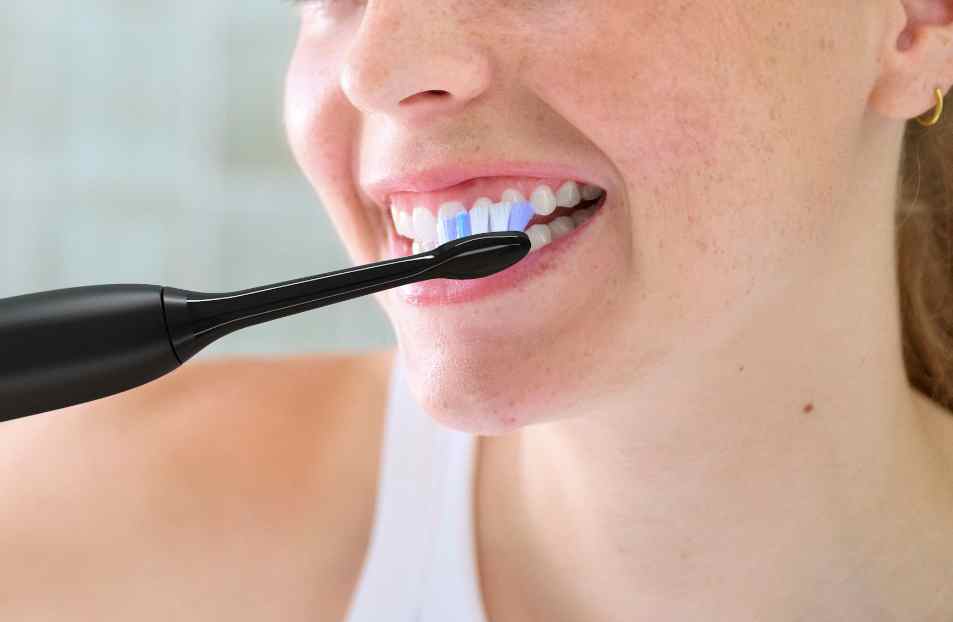
Brush your teeth twice a day for a full two minutes using a soft-bristled toothbrush and fluoride toothpaste. Hold the brush at a 45-degree angle toward the gumline, using gentle circular motions rather than harsh back-and-forth scrubbing. Harsh scrubbing can wear down protective enamel and recede sensitive gum tissue over time.
Flossing the Right Way
Flossing daily removes plaque and trapped food particles from tight spaces where toothbrush bristles simply cannot reach. Slide the floss gently between your teeth, curving it into a C-shape against the side of each tooth, and move it carefully up and down below the gumline.
Integrating Antimicrobial Mouthwash
Rinsing daily with an alcohol-free antimicrobial mouthwash helps reduce bacteria levels, neutralizes lingering acids, and strengthens enamel without drying out sensitive oral tissues.
Long-Term Benefits of Consistent Care
Committing to regular preventative dental care yields benefits far beyond a bright, clean smile. By catching decay early, maintaining healthy gum tissue, and keeping daily hygiene consistent, you preserve your natural biting power and avoid complex dental procedures. Prioritizing your oral health today builds a resilient foundation for long-term comfort, overall physical health, and everyday confidence.