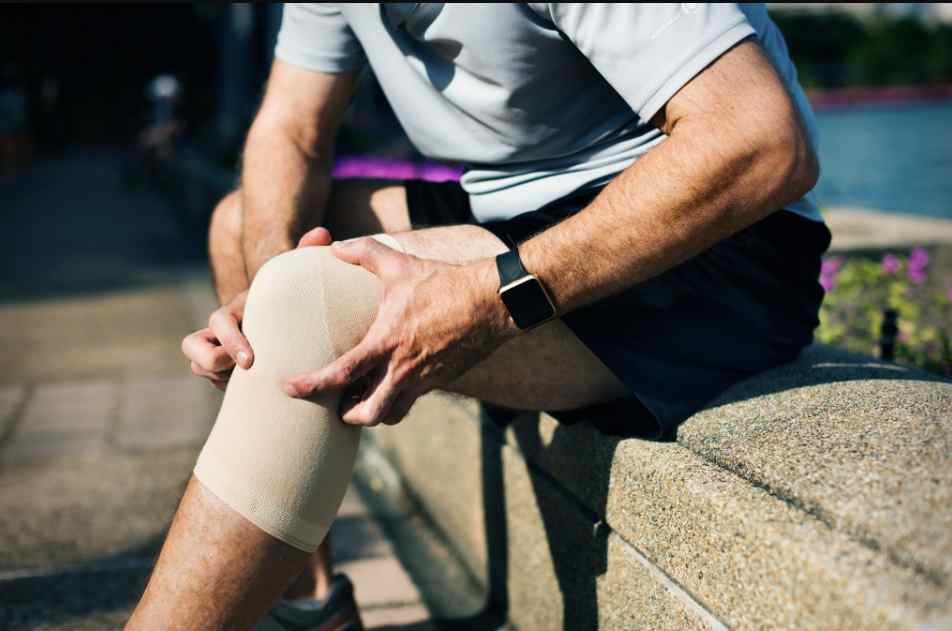
How to Recover Safely from Common Non-Operative Sports and Joint Injuries
Active individuals, athletes, and daily exercisers often encounter physical setbacks ranging from minor sprains to persistent joint soreness. When a muscle, tendon, or joint acts up, the primary goal is to heal quickly without causing long-term structural damage.
While severe trauma or bone fractures require emergency intervention, many common musculoskeletal injuries respond exceptionally well to structured, non-operative recovery strategies. Knowing how to manage soft tissue damage safely allows you to protect your body, rebuild strength, and return to physical activity with confidence.
Understanding Non-Operative Sports Recovery
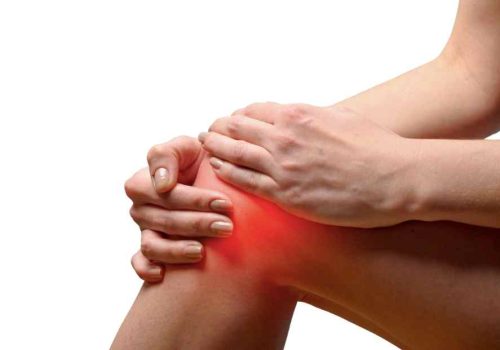
Non-operative care focuses on relieving pain, reducing tissue inflammation, and restoring full joint function without invasive surgery. Most soft tissue injuries—such as ligament sprains, muscle strains, tendinitis, and joint overuse—heal naturally when given the right mechanical conditions and progressive load management.
The recovery process typically follows three core phases:
- Inflammation Control: Managing early swelling and protecting the injured tissue from further aggravation.
- Mobility and Flexibility: Gradually restoring the full range of motion in the surrounding joints.
- Progressive Strengthening: Rebuilding muscle strength, joint stability, and endurance to prepare for daily tasks and athletic performance
Essential Daily Habits for Soft Tissue Healing
Rushing back into high-impact workouts too early is one of the most common causes of recurring joint and muscle injuries. Implementing practical, evidence-based daily habits speeds up tissue repair and reduces the risk of re-injury.
Active Rest vs. Complete Immobility
While complete bed rest was once widely recommended for injuries, modern sports medicine emphasizes active rest. Restricting movement entirely can cause muscle atrophy and increased joint stiffness. Instead, keep moving uninjured parts of your body and engage in low-impact movements that do not provoke pain in the injured area.
- Lower-Body Injuries: Swap running or jumping exercises for stationary cycling, swimming, or upper-body strength training.
- Upper-Body Injuries: Focus on walking, recumbent cycling, or lower-body mobility work while avoiding heavy lifting or throwing movements.
Proper Hydration and Anti-Inflammatory Nutrition
Soft tissues require fluid balance and nutrients to repair micro-tears in muscle fibers and tendons.
- Drink plenty of water throughout the day to keep joint cartilage and connective tissues hydrated.
- Prioritize protein intake to rebuild damaged muscle fibers.
- Consume anti-inflammatory foods like berries, fatty fish, leafy greens, and nuts to naturally regulate post-injury swelling.
Comparing Early-Stage vs. Late-Stage Injury Management
| Stage | Primary Objective | Focus Activities | Key Precaution |
| Acute Phase (Days 1–5) | Reduce pain & protect tissue | Ice application, compression, gentle active range of motion | Avoid heavy weight-bearing or aggressive stretching |
| Sub-Acute Phase (Weeks 2–4) | Restore mobility & light strength | Isometric holds, resistance bands, low-impact cardio | Stop immediately if sharp or radiating pain occurs |
| Rehabilitation Phase (Weeks 4+) | Rebuild power & dynamic stability | Compound lifting, sport-specific drills, agility work | Do not skip warm-up routines or cool-down stretches |
When to Consult a Specialist
Navigating an exercise injury independently works for mild soreness, but persistent or worsening symptoms require clinical evaluation. Educational guides and clinical insights hosted on WesBMD highlight how primary care and non-operative sports medicine specialists use diagnostic imaging, joint injections, and structured physical therapy to evaluate soft tissue damage accurately before it becomes a chronic issue.
Consult a sports medicine or primary care professional if you notice:
- Inability to bear weight on a leg, knee, or ankle without severe discomfort.
- Visible joint deformity, significant bruising, or rapid, localized swelling.
- Numbness, tingling, or weakness radiating into a hand, foot, arm, or leg.
- Pain or joint stiffness that persists beyond two to three weeks of basic home care.
Partnering with an experienced medical provider helps ensure your recovery plan targets the root cause of the injury, allowing you to stay active safely for years to come.