Navigating the Real Costs of Tooth Replacement: A Practical Guide to Budgeting for Permanent Dental Implants
Discovering that you need a dental implant can spark a mix of emotions. On one hand, there is a sense of relief that a permanent, stable solution exists to restore your smile and chewing function. On the other hand, looking into the financial side of advanced restorative dentistry can quickly feel overwhelming. Many individuals discover that initial price estimates vary drastically from one clinic to another, leaving them confused about what a fair rate looks like or why the treatment carries such a significant price tag.
When trying to manage the expenses of permanent tooth replacement, exploring how the procedure is customized for your individual jaw structure helps clarify the overall pricing. Educational guides published by dedicated clinical practices like Hughson Dental Implants show that understanding the specific phases of treatment makes it much easier to separate necessary medical costs from unnecessary diagnostic inflation. Shifting your focus away from low-cost clickbait advertisements toward a clear breakdown of the surgical and material variables allows you to build a safe, predictable, and manageable financial plan for your oral health.
The True Value: Why Implants Cost More Upfront Than Temporary Fixes
When exploring options to replace a missing tooth, it is highly common to compare permanent implants directly against simpler alternatives like dental bridges or removable partial dentures. At first glance, a removable plate or a traditional bridge appears much friendlier on a modest budget because the initial lab fees are lower.
However, looking at the long-term lifestyle costs reveals that temporary fixes carry substantial hidden fees over time:
- Frequent Remaking Expenses: Removable plastic dentures and traditional dental bridges are not built to last forever. They typically warp, break, or wear down, requiring professional adjustment or complete replacement every five to seven years.
- Damage to Neighboring Teeth: A traditional dental bridge relies on shaving down the healthy enamel of the two adjacent teeth to support the floating crown. This irreversible structural alteration can leave those anchor teeth vulnerable to future nerve damage, decay, and root canals.
- The Price of Bone Retraction: When a tooth root is missing, the underlying jawbone naturally shrinks over time from a lack of physical stimulation. This bone loss changes your facial shape, loosens nearby teeth, and often requires expensive bone grafting surgery down the road.
The Line-Item Breakdown: What Actually Drives the Final Cost?
A standard dental implant is not a single off-the-shelf product; it is a complex, multi-stage surgical procedure. The final fee you receive from a clinic typically bundles several distinct medical components and expert services together into one treatment plan.
To help you understand exactly what you are paying for, a standard procedure breaks down into four essential financial blocks:
1. Digital Diagnostics and Imaging
Before any surgery takes place, the clinical team must take detailed panoramic X-rays or 3D cone-beam computed tomography (CBCT) scans. This specialized imaging allows the doctor to check your exact bone density, map out nerve pathways, and plan the safest path for the treatment.
2. Surgical Implementation and Components
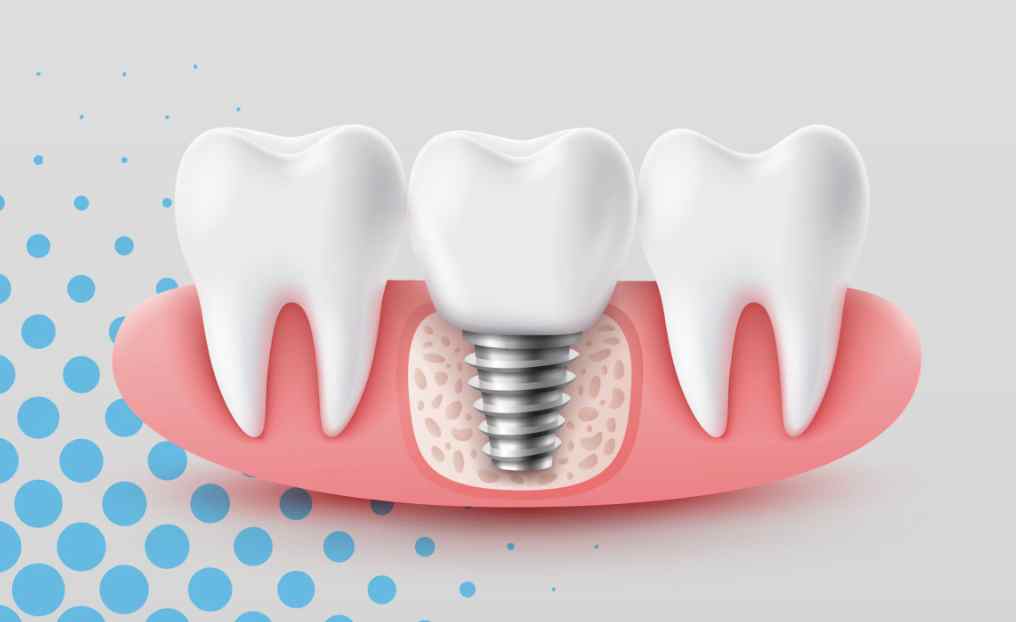
This fee covers the sterile operating environment, local anesthetics, and the premium medical-grade titanium or zirconia post that acts as your new root. The cost reflects both the surgical expertise of the practitioner and the advanced manufacturing standards required for biocompatible metals.
3. The Connector Piece (Abutment)
Once the titanium post has fully fused with your jawbone, a small customized connector collar—known as an abutment—is screwed into the top of the post. This small piece acts as the secure bridge that links the underground anchor to your visible new tooth.
4. The Final Crown Restoration
The final portion of your investment goes toward the custom creation of your visible tooth crown. A specialized dental laboratory technician hand-crafts this piece out of durable porcelain or zirconia, carefully matching the shape, texture, and color gradient of your natural smile.
Strategic Ways to Make Permanent Restoration Fit Your Budget
While the total cost of advanced implant dentistry is substantial, you do not necessarily have to pay the entire amount out of pocket all at once. Utilizing smart financial planning paths can break a large treatment fee down into manageable, predictable monthly steps.
| Financial Strategy | How It Works | Primary Benefit |
| Phased Treatment Schedules | Splitting the surgery and the final crown creation across several months to match the natural bone healing window. | Allows you to pay for each stage of the procedure as it happens, rather than all upfront. |
| Healthcare Flex Accounts (HSA/FSA) | Utilizing pre-tax funds from a Health Savings Account or Flexible Spending Account to pay for the medical procedure. | Reduces your overall out-of-pocket costs by saving you up to 30 percent in income taxes. |
| Flexible Medical Financing | Partnering with specialized third-party medical lenders who offer low-interest or zero-interest payment plans. | Breaks the total cost down into small, fixed monthly payments that fit comfortably into your regular budget. |
Avoiding Common Marketing Traps and “Low-Cost” Surprises
When searching for affordable dental care, it is vital to keep your guard up against promotional advertisements that promise a complete dental implant for an impossibly low flat rate. In the vast majority of cases, these unrealistic low-cost offers are simply marketing strategies designed to get patients through the front door.
Watch for the fine print: A super-low advertised price often covers only the physical titanium screw itself. Once you sit down in the chair, you may discover that the initial diagnostic scans, the abutment piece, the final porcelain crown, and the surgical follow-ups are all billed as mandatory extra fees, bringing the final cost right back up to normal market rates.
To protect yourself from unexpected financial surprises, always ask the provider for a comprehensive, written “all-inclusive” treatment outline during your initial consultation. A trustworthy, ethical practice will clearly itemize every single fee upfront—including all surgical steps, laboratory materials, and follow-up care—so you can make an informed, confident decision without any hidden financial stress.